You've been to Paris. Perhaps you've spent a few days in the Dordogne or driven through Bordeaux on the way south. Southwest France feels familiar, almost like a second home. And yet most British travellers have barely scratched the surface. The southwest alone covers 12 genuinely distinct regions. In fact, each one has its own landscape, cuisine, culture, and character. Most UK visitors, however, never make it past one or two of them.
That's not a criticism. Planning a trip through southwest France is genuinely hard. When you stare at a map, the choices can feel overwhelming. Still, this guide is for the UK traveller who's ready to go deeper.
Why Southwest France Works So Well for British Travellers
No part of France sits quite so perfectly within reach of the UK. The Channel Tunnel puts Paris just 2 hours 15 minutes from St Pancras. More importantly, Bordeaux is just over 2 hours by TGV from Paris, and easy to reach by direct flight from most UK airports.. For drivers, the ferry from Portsmouth to Santander or Bilbao drops you straight into the heart of the southwest.
Proximity changes the maths entirely. For example, a week in the Lot Valley becomes realistic on a modest budget. Similarly, a three-night break in the Basque Country costs less than a comparable city break in Edinburgh. Many British travellers visit southwest France more than once a year. As a result, the question quickly shifts from "where in France?" to "which region haven't we tried yet?"
The answer, for most of us, is most of them.
The Problem with Generic Southwest France Planning
Search "southwest France itinerary" online. You'll find the same places repeated across hundreds of sites. Sarlat, Bordeaux, Biarritz. These are wonderful. However, they don't reflect how most British travellers actually experience the southwest. Most of us travel on our own schedule, in our own car, looking for something a little less sign-posted.
Building a personalised itinerary from scratch takes hours. First, you cross-reference travel blogs and check driving distances. Then you wonder whether the village you read about in a Sunday supplement is actually worth the detour.
The Wander in France itinerary builder solves this directly. Simply tell it your region, how long you have, and your travel style. It then builds a personalised itinerary across any of the 12 southwest France regions in minutes. No more tab overload. Just a clear plan for your next adventure.
Three Southwest France Regions UK Travellers Keep Overlooking
Bordeaux and the Gironde: The World's Wine Capital
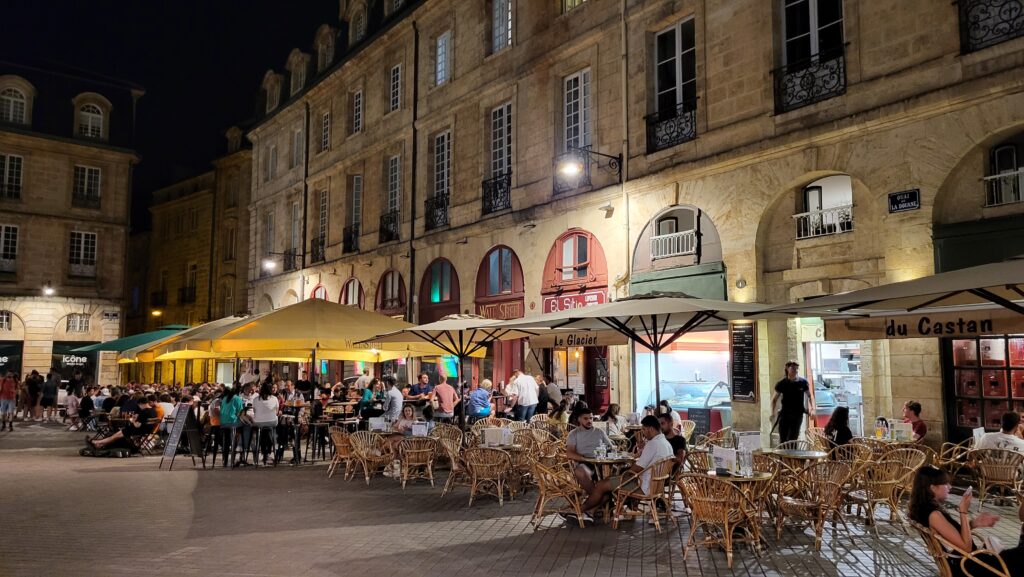
Few regions in France carry the reputation Bordeaux does, and yet most British visitors only pass through. The UNESCO-listed waterfront rivals any European city centre for architecture alone. In addition, the covered markets and restaurant scene give it genuine everyday character beyond the grand facades. But Bordeaux is also a gateway. Saint-Émilion, the Médoc, Graves, and Sauternes all sit within easy reach. For instance, Saint-Émilion's medieval village and surrounding vines make for one of the finest half-day trips in the southwest.
Bordeaux connects directly to most major UK airports, making it one of the easiest southwest France regions to reach. Yet it stays underrated as a base for a longer stay. Paris and the Riviera tend to grab the headlines instead. That's your opportunity. A four or five-day itinerary centred on Bordeaux, with day trips into the wine country and the Arcachon Basin, offers more variety than most visitors expect. As a bonus, you avoid the interior motorway miles that eat into shorter trips.
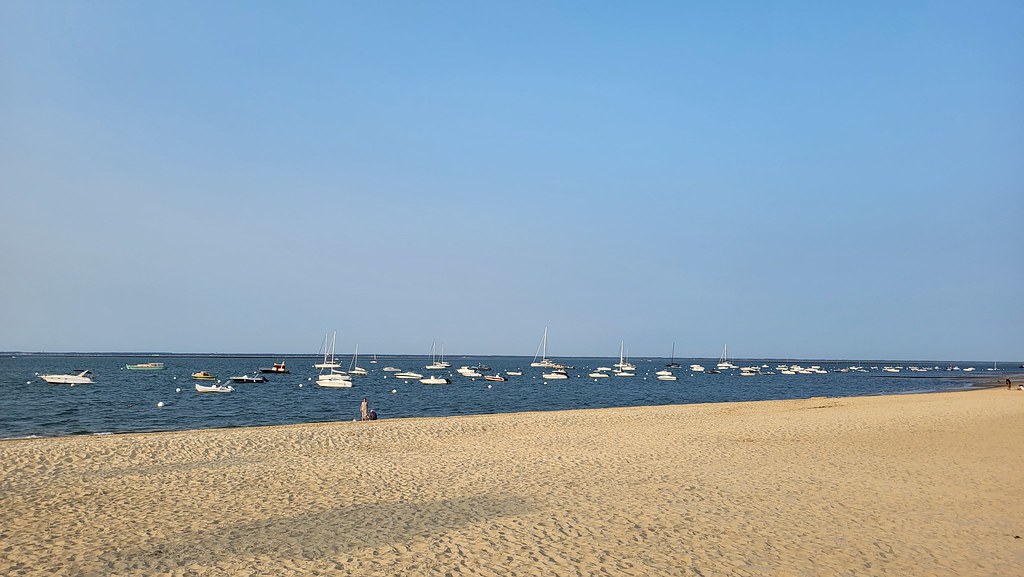
Pays Basque: A Country Within a Country
British travellers return to the Pays Basque year after year, and for good reason. The Basque Country has its own language, its own architecture, and its own food. In particular, Biarritz and Saint-Jean-de-Luz offer a coastal atmosphere unlike anywhere else in France. The Atlantic surf, the painted shutters, the piment d'Espelette drying on whitewashed walls: it feels genuinely foreign in the best possible sense. Moreover, the restaurant culture here rivals anything you'll find in Lyon or Paris.
The Pays Basque also carries a cultural identity all its own. The pelota courts and the festivals give the region a distinct rhythm. Furthermore, the foothills of the Pyrenees are within easy reach of the coast. Saint-Jean-Pied-de-Port, the traditional starting point of the Camino de Santiago, sits just an hour inland. It therefore suits travellers who want to combine coastal days with mountain walks, all within a single region.
The Ariège Pyrenees: The Southwest Almost Nobody Talks About
Spend a week in the Ariège and you'll understand why seasoned southwest travellers keep coming back. Tucked between Toulouse and the Spanish border, it ranks among France's least visited areas. It also ranks among its most remarkable. The Pyrenean foothills are dramatic without being Alpine. Limestone ridges and medieval hilltop villages fill the landscape. Meanwhile, the prehistoric cave paintings at Niaux stand among the finest in Europe. The Romans came for the thermal springs. Travellers still do.
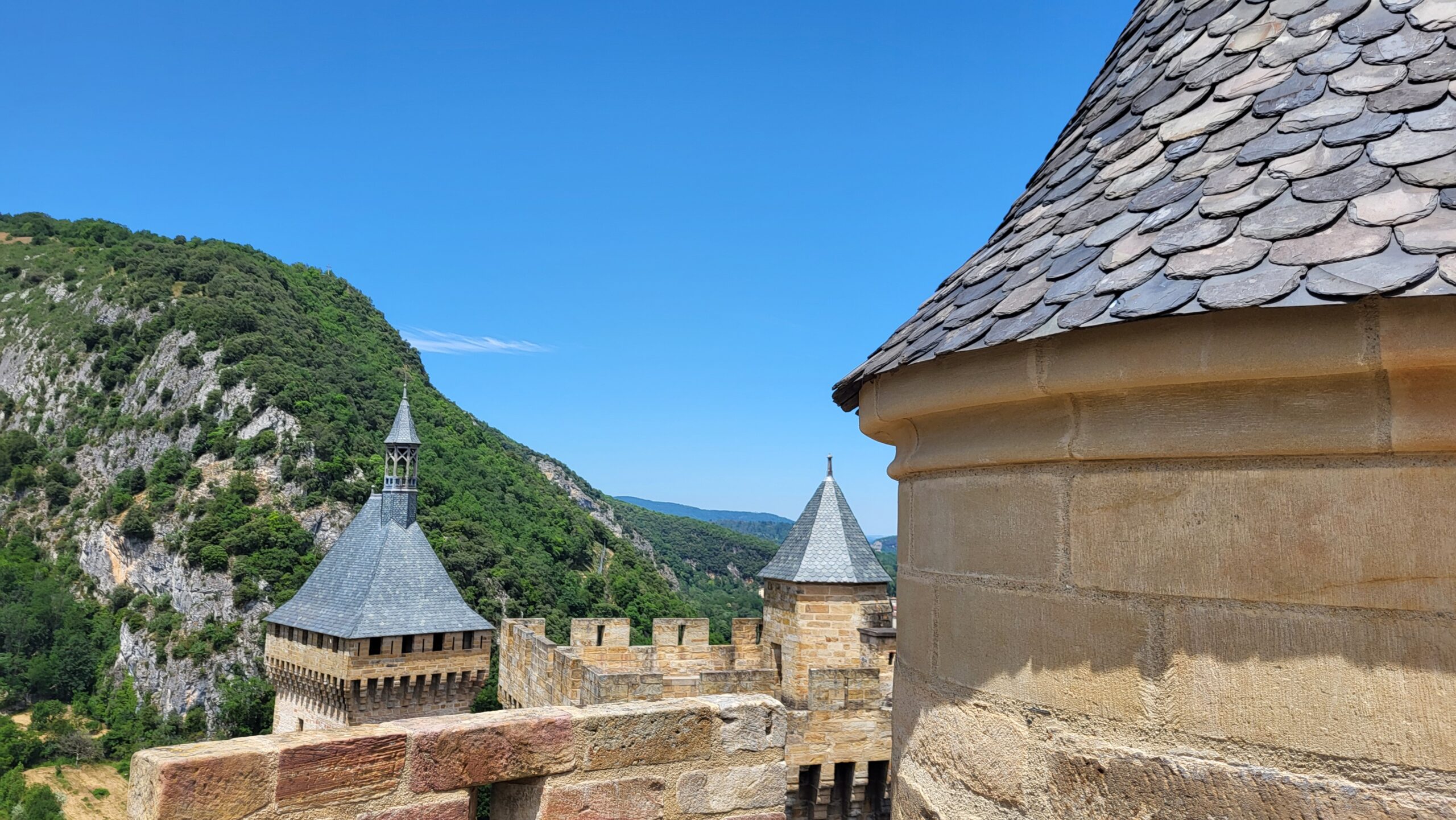
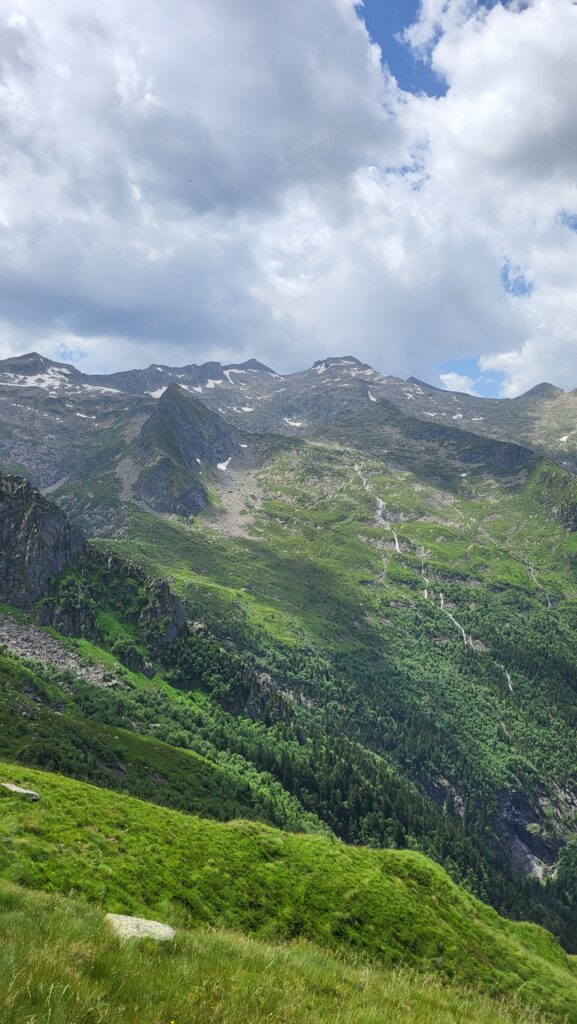
Foix makes a strong base. Its three-towered château overlooks the Ariège river and anchors the town. From there, the Cathar castles of Montségur and Roquefixade sit within easy reach. So do quieter pleasures: sunflower fields, farm stalls, and the kind of unhurried lunch you didn't think France still offered. Ultimately, this is the southwest that doesn't make it onto the mood boards. That's precisely what makes it worth planning for.
Practical Notes for UK Travellers in 2026
Getting There: Direct flights from most UK airports reach Bordeaux, Bergerac, Biarritz, and Toulouse in under 2 hours. Alternatively, the Bordeaux TGV takes just over 2 hours from Paris. For drivers, Brittany Ferries from Portsmouth to Santander or Bilbao puts you in the southwest without the long motorway run through France.
Driving: France drives on the right. As a result, expect the first hour to need more focus than usual, particularly at roundabouts. Most UK drivers settle in quickly. Also, fit headlamp beam deflectors to avoid dazzling oncoming traffic. Finally, carry a UK sticker or number plate badge when driving outside the EU.
Passports and Entry: The EU's Entry/Exit System (EES) became fully operational in April 2026. It replaced the manual passport stamp with a digital biometric record at the border. Therefore, allow extra time at Eurostar and ferry terminals during busy periods.
The EU plans to launch ETIAS, its new travel authorisation for British passport holders, in late 2026. However, the system is not yet in operation. You do not need it for travel right now. When it launches, you simply apply online before your trip. The authorisation lasts three years. In the meantime, check uk.diplomatie.gouv.fr for official updates.
Language: A few phrases of French go a long way. Outside tourist areas, however, locals speak less English than many visitors expect.
Currency: France uses the euro. UK cards work well almost everywhere. Still, carry some cash for rural markets and smaller villages.
Ready to Plan Your Southwest France Holiday?
Southwest France has 12 distinct regions, and most British travellers have only seen a fraction of what's there. In short, the right itinerary makes all the difference between a good trip and an unforgettable one.
The Wander in France itinerary builder covers all 12 southwest France regions. Simply tell it your travel style, your region, and how long you have. It does the rest.
Start planning your southwest France itinerary here →
Wander in France covers 12 distinct regions of southwest France with personalised itinerary planning. Built for travellers who want to go beyond the guidebook.